Crushed Stone Size Guide: Choosing #57, #67, or Crusher Run for Your Elmore County Job
Choosing the right crushed stone size can make or break a construction or landscaping project. Whether you're laying a driveway off Coosa River Road in Wetumpka, building a pad in Millbrook, AL, or managing site drainage near Lake Martin, selecting between #57, #67, and crusher run comes down to your project type, load requirements, and the soil underfoot. Working with a trusted Crushed Stone Supplier serving Millbrook, AL, means you get the right material matched to the job so you don't waste time or money on a second delivery.
What Are the Different Sizes of Crushed Stone?
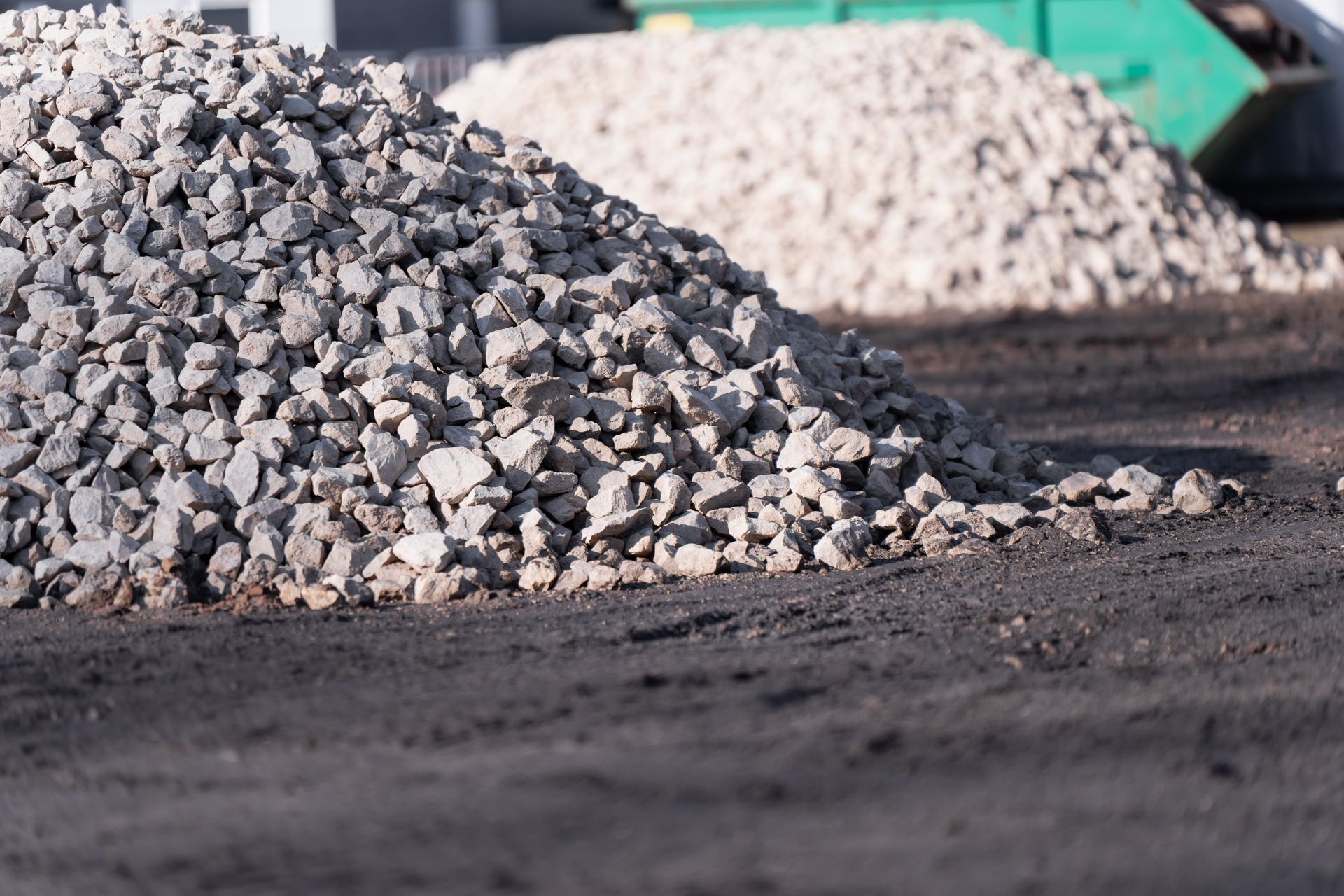
Crushed stone is graded by number, which refers to a standardized size classification, not a measurement in inches. #57, #67, and crusher run each behave differently once placed, and picking the wrong one affects drainage, compaction, and long-term stability.
#57 Stone
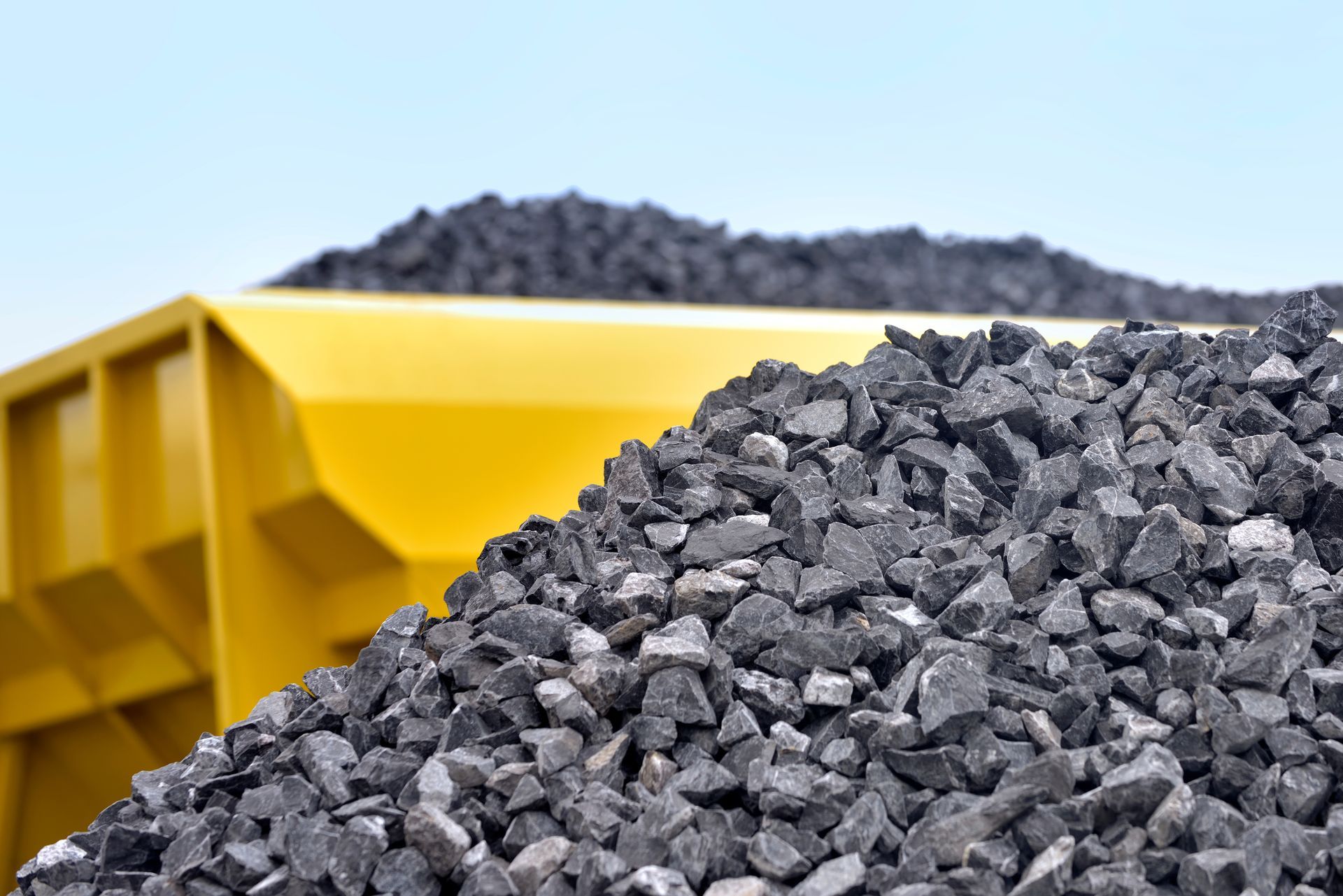
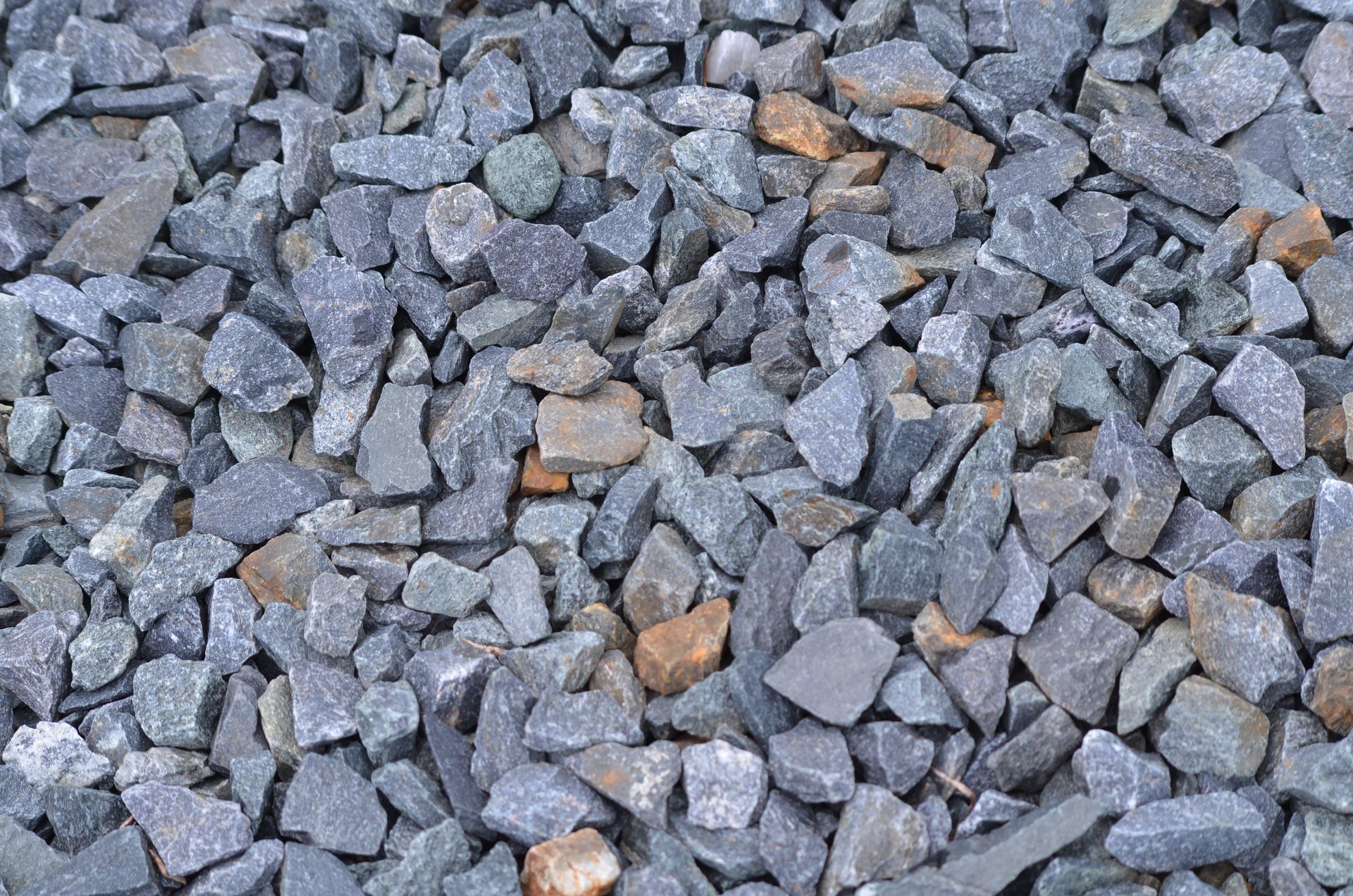
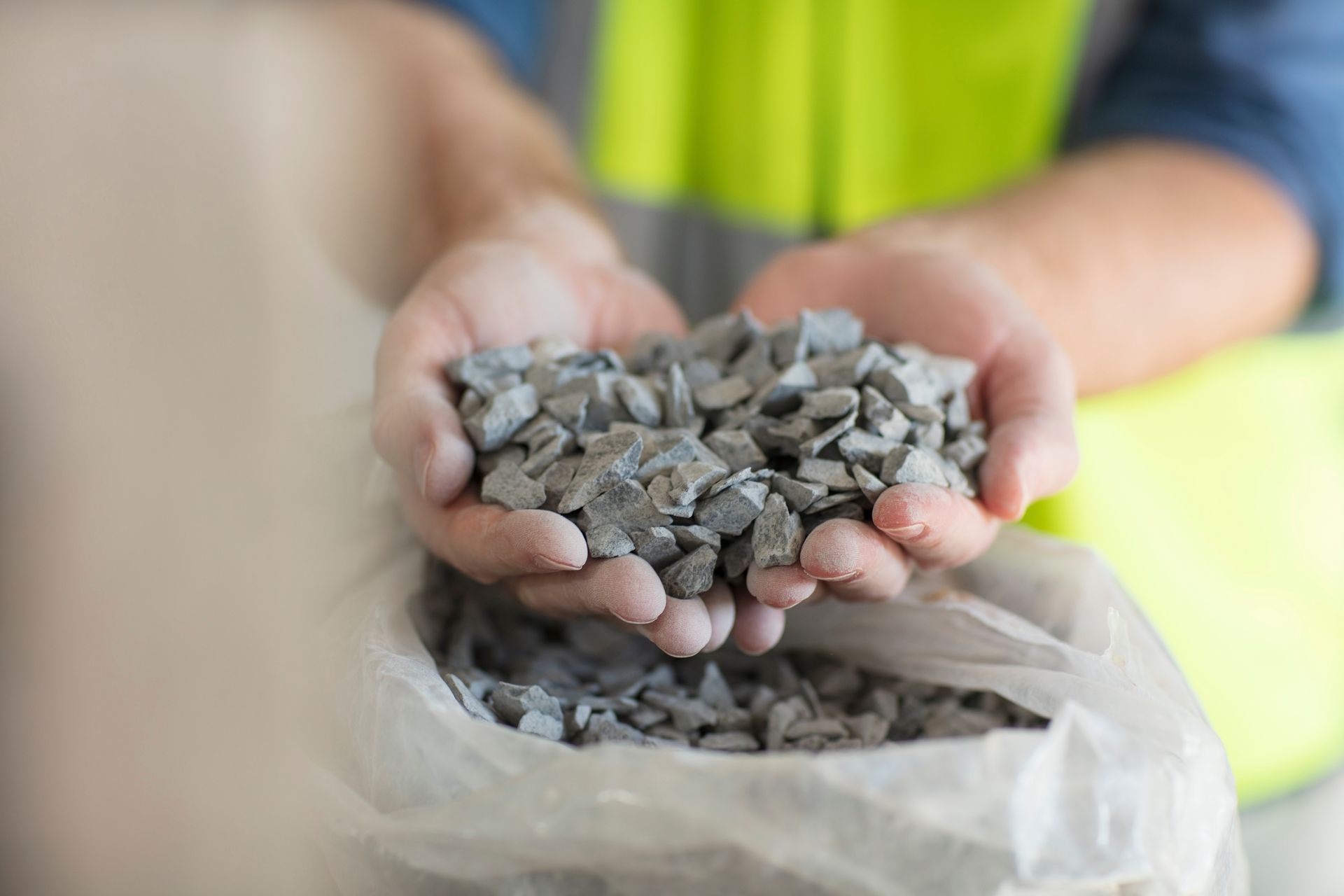
#57 stone runs roughly 3/8 inch to 1 inch in particle size. Its angular shape allows water to drain quickly through the voids, making it a go-to for French drains, septic system backfill, and driveway drainage layers. It also works as a base under concrete slabs and asphalt because it supports load while shedding water. For most structural and drainage applications, #57 is a dependable first choice.
#67 Stone
#67 stone ranges from roughly 1/4 inch to 3/4 inch. It packs a little tighter and feels smoother underfoot, making it well suited for walkways, patios, pipe bedding, and thin concrete slab bases. It still drains freely but creates a more uniform, compact finish than #57.
Crusher Run
Crusher run blends crushed stone particles and fine stone dust, ranging from coarse aggregate down to powder. Under compaction, the fines fill the voids between larger pieces and lock the material into a solid, load-bearing surface. Crusher run is the preferred base layer for driveways, parking pads, and heavy-equipment access roads where stability matters more than drainage.
Does Crushed Stone Help With Drainage?
Clean crushed stone like #57 or #67 drains freely because open voids between angular particles allow water to pass through rather than collect on the surface. Crusher run, by contrast, compacts into a tight layer that limits water movement. Choosing between open-graded and dense-graded stone depends entirely on whether your priority is drainage or stability. An experienced Crushed Stone Supplier serving Millbrook, AL, can walk you through that tradeoff based on your site conditions.
Why Alabama Red Clay Soil Changes Everything
Elmore County soils often include clay-rich areas that affect drainage and compaction throughout the region. Red clay expands when saturated and contracts during dry periods, which can shift driveways, crack surfaces, and move foundations over time. This makes proper aggregate base preparation essential for any project in Millbrook, Wetumpka, Tallassee, or surrounding Elmore County areas.
For clay-heavy sites, a compacted base layer of crusher run is typically recommended before placing surface material. On driveways built over Alabama red clay, 4 to 6 inches of compacted crusher run beneath a top layer of #57 helps manage seasonal movement. Sites with standing water may also benefit from geotextile fabric under the stone to prevent fines from migrating upward and clogging the aggregate. Hot, humid summers and heavy storm events common to Central Alabama also favor materials that shed water and resist washout, so drainage planning matters year-round.
Matching Stone Size to Your Elmore County Project
Different jobs call for different material choices. Here are common project types and the stone that typically fits each:
▸Residential driveways on clay soil: crusher run base with #57 surface layer.
▸French drains and septic backfill: clean #57 with no fines.
▸Walkways and patio bases: #67 for a tighter, smoother surface.
▸Concrete slab base: #57 or #67 depending on slab thickness and design.
▸Parking pads and heavy-use access roads: crusher run compacted in layers.
▸Erosion control on slopes or ditch lines: #57 or larger stone for stability.
Projects near the Coosa River or Tallapoosa River corridors may deal with additional runoff concerns and should factor drainage into material selection from the start.
How to Estimate the Tonnage You Need
Multiply length by width by intended depth (all in feet), then divide by 27 to get cubic yards. Multiply that figure by the stone's density to get approximate tons. Most crushed stone weighs roughly 1.35 to 1.5 tons per cubic yard, with denser crusher run toward the higher end. Always add 10 to 15 percent to account for compaction, spreading loss, and irregular ground. When in doubt, contact a Crushed Stone Supplier directly with your square footage and depth, and they can confirm tonnage before you order.
Get a Millbrook Delivery Quote From a Local Team You Can Trust
J & K Materials & Trucking Inc. is a family-owned Crushed Stone Supplier serving Millbrook, AL, and the greater Elmore County area, with crushed stone, limestone, gravel, and sand available for residential, commercial, and agricultural projects. Request a free delivery quote at Request a Quote, explore available materials at Stone & Limestone Supply, or call (334) 279-0036 to talk through your project with a knowledgeable local team. Find us on Google Maps: J & K Materials & Trucking Inc.